*Introduction*
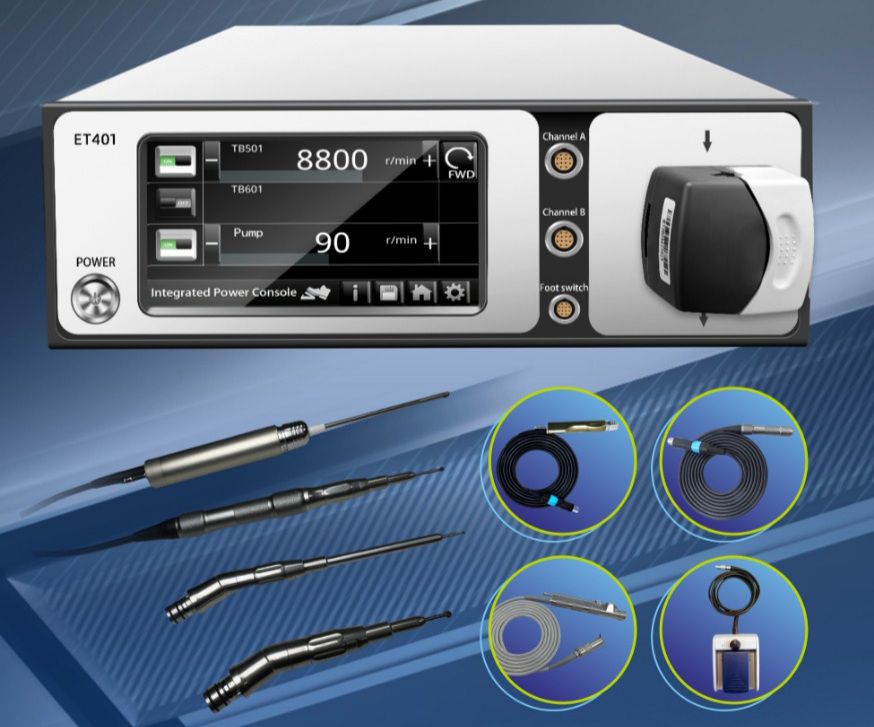
arthroscopic shaver is an advanced medical tool used in arthroscopic surgery to remove damaged tissue, treat joint pathologies, and aid in joint repair. This device is commonly used in minimally invasive surgeries for joints like the knee, shoulder, wrist, and elbow. Its primary role is to enhance precision in removing damaged tissue, reconstruct cartilage, and perform joint lavage during surgery
*Functionality of the Arthroscopic Shaver*
Basic Mechanism
An arthroscopic shaver typically consists of two main components
Rotating Blade
A high-speed rotating blade that precisely cuts and shaves the damaged tissue within the joint

Suction System
A suction mechanism that evacuates the removed tissue blood, debris, and inflammatory fluids from the joint cavity

Tissue Removal
The shaver is inserted into the joint through a narrow tube (cannula). The rotating blade or suction mechanism removes damaged tissues such as eroded cartilage, ligaments, or tendons. This allows for the restoration of joint functionality and reduction of mechanical obstructions

Precision and Control
The arthroscopic shaver is designed to provide high precision, enabling the surgeon to perform delicate procedures with minimal disruption to surrounding healthy tissues. The blade’s speed and suction can be controlled to ensure exact tissue removal, especially when only a small portion of damaged tissue needs to be excised

Joint Lavage
During the procedure, the shaver often works in conjunction with a continuous lavage system, which irrigates the joint with saline or other cleaning solutions. This helps remove residual debris, blood clots, and inflammatory byproducts from the joint space, ensuring a cleaner environment for healing

Microprocessors and Automated Control
Advanced arthroscopic shavers feature microprocessors that allow the surgeon to control parameters such as blade speed and suction intensity. These settings can be adjusted based on tissue type and the surgical requirements, providing a customized approach to each patient

Advantages in Arthroscopic Surgery*
Minimally Invasive
Arthroscopic surgery, through small incisions, leads to less postoperative pain, reduced infection risks, and faster recovery times
High Precision
The arthroscopic shaver ensures precise removal of damaged tissues while avoiding harm to surrounding healthy joint structures
Reduced Complications
The ability to clean the joint during the procedure helps reduce bleeding, swelling, and other complications post-surgery
*Clinical Applications*
Cartilage Injuries
The shaver is commonly used for treating cartilage defects, whether due to trauma or degenerative conditions like osteoarthritis
Meniscal Repair
It is also used in repairing or removing damaged parts of the meniscus, especially in cases of meniscal tears
Joint Lavage and Cleaning
In cases of severe joint inflammation or infection, the arthroscopic shaver aids in cleaning out excess fluids and debris, providing better conditions for healing
*The Role of the Arthroscopic Shaver in Enhancing Outcomes of Minimally Invasive Joint Surgeries*

The arthroscopic shaver is one of the essential tools in minimally invasive joint surgeries, playing a crucial role in improving the precision and effectiveness of therapeutic interventions. With its advanced mechanical and electronic design this device enables the accurate and controlled removal of damaged, worn, or excess tissue without harming the surrounding healthy structures. The shaver’s ability to perform high-speed rotational or oscillating movements accelerates the surgical process and reduces the time the patient spends in the operating room
Moreover one of the key advantages of the arthroscopic shaver is its ability to minimize intraoperative bleeding and enhance the surgeon’s visual clarity within the joint With a simultaneous suction system tissue debris is immediately removed from the surgical site which plays a significant role in reducing postoperative complications and speeding up the healing process
In certain specialized applications such as treating meniscal tears in the knee shoulder arthritis or chronic joint inflammations the shaver allows the surgeon to perform highly precise interventions without the need for large incisions or extensive tissue removal This is especially valuable for athletes and younger patients as it enables faster rehabilitation and a quicker return to daily activities or sports
In summary the arthroscopic shaver is not merely a mechanical tool in surgical procedures it is a symbol of technological advancement in modern medicine, aimed at improving patient care quality and optimizing therapeutic methods
?Why this arthroscopic shaver
The arthroscopic shaver, as a minimally invasive and efficacious technique for the treatment of joint injuries and disorders, plays a pivotal role in enhancing patients’ quality of life. This method, by mitigating the complications associated with open surgery, reducing postoperative pain, and facilitating a faster return to daily activities, is established as a reliable therapeutic option. Extensive studies have demonstrated that the appropriate and timely application of the arthroscopic shaver yields favorable clinical outcomes in patients with cartilage lesions, meniscal tears, and joint inflammation
Tab Daem Medical Company
+9809170891477 : For consultation and purchase, please contact us at
Instagram : TEB DAEM
: Address
Shiraz, Karim Khan Zand Boulevard Corner of Alley 42 Zand
Above Kosar StoreTab Daem Medical Compan